Introduction
Wellness is more than just being free from illness. It is a balanced state of physical, mental, emotional, and social well-being that allows people to live healthier and more fulfilling lives. In today’s fast-paced world, many individuals focus only on treating health problems after they occur instead of adopting habits that help prevent them. This is where wellness becomes important.
For beginners, wellness may seem like a complicated concept filled with strict diets, intense workouts, and major lifestyle changes. However, true wellness is built through small, consistent actions that improve overall quality of life. Simple habits such as drinking enough water, getting adequate sleep, managing stress, eating nutritious foods, and staying physically active can have a significant impact on long-term health.
The journey toward wellness does not require perfection. Instead, it involves making mindful choices every day that support physical and mental health. Whether your goal is to increase energy levels, improve mood, maintain a healthy weight, or reduce stress, wellness practices can help you achieve lasting results.
This comprehensive guide explores essential wellness tips, explains their importance, provides step-by-step guidance, highlights benefits and risks, discusses common mistakes, and answers frequently asked questions. By following these practical strategies, beginners can create a healthier and more balanced lifestyle that supports lifelong well-being.
What is Wellness Tips?
Wellness tips are practical recommendations and healthy habits designed to improve a person’s overall well-being. These tips focus on maintaining balance across different aspects of life, including physical health, mental wellness, emotional stability, social connections, and healthy lifestyle choices. They provide simple actions that people can incorporate into their daily routines to enhance their quality of life.
Unlike temporary health trends or quick fixes, wellness tips encourage sustainable habits that promote long-term health. Examples include maintaining a nutritious diet, exercising regularly, sleeping well, managing stress effectively, staying hydrated, and building positive relationships. These practices work together to create a strong foundation for overall wellness.
Wellness is a lifelong journey rather than a destination. By consistently applying wellness tips, individuals can improve their health, boost energy levels, strengthen immunity, and develop greater resilience against everyday challenges. Even small improvements made consistently over time can produce meaningful and lasting results.
Why is Wellness Tips Important?
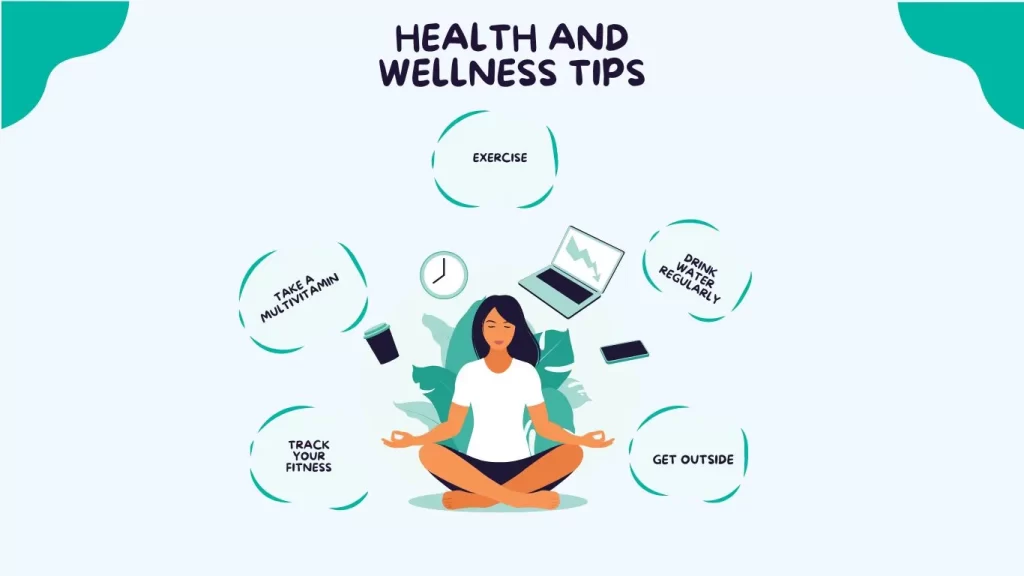
Wellness tips are important because they help prevent many health issues before they develop. Modern lifestyles often involve long hours of sitting, poor dietary habits, stress, and insufficient sleep, all of which can negatively affect health. Following wellness practices can reduce these risks and support better physical and mental functioning.
Good wellness habits contribute to higher energy levels, stronger immunity, improved focus, and better emotional health. They help individuals manage stress, maintain a healthy weight, and improve overall productivity. People who prioritize wellness often experience better quality of life and greater satisfaction in their daily activities.
Wellness also promotes long-term health and reduces the likelihood of chronic conditions such as obesity, heart disease, diabetes, and anxiety-related disorders. By adopting wellness tips early, beginners can establish healthy routines that provide benefits for years to come.
Detailed Step-by-Step Guide
Step 1: Prioritize Quality Sleep
Sleep is one of the most important pillars of wellness. Adults generally need seven to nine hours of quality sleep each night to support physical recovery and mental performance.
Create a consistent sleep schedule by going to bed and waking up at the same time daily. Reduce screen exposure before bedtime, keep the bedroom comfortable, and avoid caffeine late in the day. Quality sleep improves mood, concentration, immunity, and overall health.
Step 2: Stay Properly Hydrated
Water plays a critical role in nearly every function of the body. Proper hydration supports digestion, circulation, temperature regulation, and nutrient transport.
Aim to drink water throughout the day rather than waiting until you feel thirsty. Carry a reusable water bottle and increase intake during hot weather or physical activity. Staying hydrated can improve energy levels, skin health, and cognitive performance.
Step 3: Eat a Balanced Diet
Nutrition is the foundation of wellness. A balanced diet provides the body with essential vitamins, minerals, protein, healthy fats, and carbohydrates.
Focus on consuming fruits, vegetables, whole grains, lean proteins, and healthy fats. Limit processed foods, sugary beverages, and excessive salt intake. Making healthier food choices consistently supports overall health and disease prevention.
Step 4: Engage in Regular Physical Activity
Exercise benefits both physical and mental health. It helps maintain a healthy weight, strengthens muscles, improves cardiovascular health, and boosts mood.
Beginners can start with simple activities such as walking, cycling, stretching, or swimming. Aim for at least 30 minutes of moderate activity most days of the week. Consistency is more important than intensity when developing a fitness routine.
Step 5: Manage Stress Effectively
Stress is a normal part of life, but chronic stress can negatively impact health. Learning effective stress-management techniques is essential for wellness.
Practice deep breathing exercises, meditation, journaling, or mindfulness activities. Spending time in nature and participating in hobbies can also reduce stress levels. Managing stress helps improve emotional well-being and overall quality of life.
Step 6: Build Positive Relationships
Strong social connections contribute significantly to emotional wellness. Healthy relationships provide support, encouragement, and a sense of belonging.
Spend time with family and friends, communicate openly, and participate in social activities. Positive relationships can improve happiness, reduce stress, and support mental health.
Step 7: Practice Mindfulness
Mindfulness involves focusing on the present moment without judgment. It helps individuals become more aware of their thoughts, emotions, and surroundings.
Regular mindfulness practices can reduce anxiety, improve concentration, and increase emotional resilience. Even a few minutes of mindful breathing each day can provide noticeable benefits.
Step 8: Limit Harmful Habits
Certain habits can undermine wellness and increase health risks. These include excessive alcohol consumption, smoking, lack of physical activity, and poor dietary choices.
Identify unhealthy habits and gradually replace them with healthier alternatives. Small improvements over time often lead to sustainable lifestyle changes.
Step 9: Schedule Regular Health Checkups
Preventive healthcare is an important aspect of wellness. Regular medical checkups help detect potential health concerns early and support long-term health management.
Follow recommended screenings, vaccinations, and routine health assessments. Staying proactive about healthcare can prevent complications and promote overall well-being.
Step 10: Create a Sustainable Wellness Routine
Wellness becomes effective when healthy habits are practiced consistently. Develop a realistic routine that fits your lifestyle and personal goals.
Start with a few manageable changes and gradually build upon them. Consistency and patience are key factors in achieving lasting wellness success.
Benefits of Wellness Tips
Wellness tips offer numerous advantages that improve overall quality of life:
- Increased energy levels throughout the day
- Better physical fitness and strength
- Improved mental clarity and focus
- Enhanced emotional well-being
- Reduced stress and anxiety
- Stronger immune system function
- Better sleep quality
- Healthier body weight management
- Lower risk of chronic diseases
- Improved productivity and performance
- Greater self-confidence
- Better digestion and metabolism
- Stronger social relationships
- Enhanced mood and happiness
- Increased longevity and quality of life
Disadvantages / Risks
While wellness practices are generally beneficial, certain challenges and risks may arise:
- Unrealistic expectations may lead to disappointment
- Following extreme wellness trends can be harmful
- Excessive exercise may cause injuries
- Restrictive diets can create nutritional deficiencies
- Overemphasis on wellness may increase stress
- Misinformation from unreliable sources can lead to poor decisions
- Rapid lifestyle changes may be difficult to maintain
- Comparing personal progress with others can reduce motivation
Understanding these risks helps individuals approach wellness in a balanced and sustainable manner.
Common Mistakes to Avoid
Many beginners make mistakes that can slow their wellness progress. One common mistake is trying to change everything at once. Drastic lifestyle changes are often difficult to maintain and may lead to burnout. Instead, focus on one or two healthy habits at a time and gradually build a stronger routine.
Another frequent mistake is neglecting sleep while focusing only on diet and exercise. Sleep is a critical component of wellness and should receive equal attention. Ignoring hydration, skipping meals, or relying on fad diets can also negatively affect health and energy levels.
Many people set unrealistic goals that are difficult to achieve. Establishing practical and measurable goals increases the likelihood of long-term success. Comparing progress with others can also create unnecessary frustration because wellness journeys are unique for every individual.
Failing to manage stress is another significant mistake. Even with a healthy diet and exercise routine, chronic stress can negatively impact physical and mental health. A balanced wellness plan should include strategies for relaxation and emotional well-being.
FAQs
1. What are the most important wellness tips for beginners?
The most important wellness tips include getting enough sleep, staying hydrated, eating nutritious foods, exercising regularly, managing stress, and maintaining positive relationships. These habits form the foundation of a healthy lifestyle.
2. How long does it take to see results from wellness habits?
Results vary depending on individual circumstances and consistency. Some benefits, such as improved energy and mood, may appear within a few weeks, while long-term health improvements may take several months.
3. Can wellness improve mental health?
Yes. Wellness practices such as exercise, mindfulness, proper nutrition, and quality sleep can significantly improve mental health by reducing stress, anxiety, and emotional fatigue.
4. How much exercise is recommended for beginners?
Beginners should aim for at least 150 minutes of moderate physical activity per week. This can include walking, cycling, swimming, or other enjoyable forms of exercise.
5. Why is hydration important for wellness?
Hydration supports essential bodily functions including digestion, circulation, temperature regulation, and cognitive performance. Proper water intake also helps maintain energy levels and overall health.
6. Do wellness tips require expensive products or programs?
No. Many effective wellness habits are simple and affordable. Walking, drinking water, eating balanced meals, practicing mindfulness, and getting adequate sleep can all improve wellness without significant expense.
7. Can small lifestyle changes make a difference?
Absolutely. Small, consistent changes often produce significant long-term benefits. Simple actions performed daily can gradually improve health and well-being over time.
8. What is the best way to stay motivated?
Setting realistic goals, tracking progress, celebrating small achievements, and focusing on long-term benefits can help maintain motivation and consistency.
Expert Tips & Bonus Points
Start with small and achievable goals rather than making drastic lifestyle changes. Building habits gradually increases the likelihood of long-term success and reduces the risk of burnout.
Track your daily habits using a journal or wellness app. Monitoring progress helps identify areas for improvement and keeps motivation high. Consistent tracking can reveal patterns that support healthier decision-making.
Focus on progress rather than perfection. Occasional setbacks are normal and should not discourage continued efforts. Every healthy choice contributes to overall wellness and long-term success.
Practice gratitude regularly. Taking time to appreciate positive aspects of life can improve emotional well-being and reduce stress. Gratitude journaling is a simple yet powerful wellness habit.
Create an environment that supports healthy choices. Keep nutritious foods available, schedule exercise sessions, and establish a relaxing bedtime routine. A supportive environment makes healthy habits easier to maintain.
Conclusion
Wellness is a holistic approach to living that encompasses physical, mental, emotional, and social health. Rather than focusing on quick fixes, wellness encourages sustainable habits that support long-term well-being and overall quality of life. For beginners, the journey toward better health starts with simple daily actions that gradually become part of a consistent routine.
Key wellness practices include getting adequate sleep, maintaining proper hydration, eating a balanced diet, engaging in regular physical activity, managing stress effectively, and fostering positive relationships. These habits work together to create a strong foundation for lifelong health and resilience. Although challenges may arise, staying committed to gradual improvement can lead to significant benefits over time.
Wellness is not about achieving perfection but about making mindful choices that support a healthier and happier life. Every positive step, no matter how small, contributes to overall well-being. By applying the wellness tips outlined in this guide, beginners can build sustainable habits that improve energy levels, strengthen health, enhance emotional balance, and promote long-term success. With patience, consistency, and dedication, anyone can create a lifestyle that supports lasting wellness and a higher quality of life.