
Introduction
Stress has become a common part of modern life. Whether it comes from work responsibilities, financial concerns, family obligations, academic pressure, or personal challenges, almost everyone experiences stress at some point. While a small amount of stress can motivate people to perform better and meet deadlines, excessive or prolonged stress can negatively affect both physical and mental health.
Many beginners assume that stress is unavoidable and something they simply have to live with. However, effective stress management can significantly improve quality of life. Learning how to recognize stress triggers and respond to them in healthy ways can help individuals maintain emotional balance, improve productivity, and protect their long-term health.
Stress management is not about eliminating every source of pressure. Instead, it focuses on developing practical strategies that help people cope with challenges more effectively. By understanding the causes of stress and adopting healthy habits, individuals can reduce its harmful effects and gain greater control over their daily lives.
This comprehensive guide explores everything beginners need to know about stress management, including its importance, proven techniques, benefits, risks, common mistakes, frequently asked questions, and expert tips. By applying the strategies discussed in this article, anyone can take meaningful steps toward a calmer, healthier, and more balanced life.
What is Stress Management?
Stress management refers to the process of identifying, understanding, and controlling stress through various techniques and lifestyle adjustments. It involves recognizing situations that create stress and developing healthy methods to respond effectively. These methods may include relaxation exercises, physical activity, time management, positive thinking, and self-care practices.
The goal of stress management is not to eliminate all stress but to reduce its negative impact on physical, emotional, and mental well-being. Effective stress management helps individuals maintain better focus, improve relationships, enhance productivity, and support overall health. When practiced consistently, stress management becomes a valuable life skill that helps people navigate challenges with greater confidence and resilience.
Why is Stress Management Important?
Stress affects nearly every aspect of life. Chronic stress can weaken the immune system, increase the risk of heart disease, contribute to anxiety and depression, and reduce overall quality of life. Without proper management, stress can gradually impact work performance, personal relationships, and emotional stability.
Managing stress effectively allows individuals to maintain better physical health, improve decision-making abilities, and experience greater emotional balance. It also helps prevent burnout, enhances self-confidence, and promotes healthier coping mechanisms. In today’s fast-paced world, stress management is essential for maintaining long-term wellness and achieving personal and professional success.
Detailed Step-by-Step Guide to Stress Management
Step 1: Identify Your Stress Triggers
The first step in stress management is understanding what causes stress in your life. Stress triggers vary from person to person and may include work deadlines, financial issues, family responsibilities, health concerns, or social pressures.
Keep a journal for several weeks and record situations that cause stress. Note your thoughts, emotions, and physical reactions. Identifying patterns helps you understand which situations require attention and which coping strategies may be most effective.
Step 2: Recognize Early Signs of Stress
Stress often presents itself through physical, emotional, and behavioral symptoms. Common signs include headaches, muscle tension, fatigue, irritability, difficulty concentrating, and changes in sleep patterns.
Learning to recognize these early warning signs allows you to take action before stress becomes overwhelming. The sooner you identify stress symptoms, the easier it becomes to manage them effectively.
Step 3: Practice Deep Breathing Techniques
Deep breathing is one of the simplest and most effective stress management tools. Controlled breathing helps activate the body’s relaxation response and reduces feelings of anxiety.
Try inhaling slowly through your nose for four seconds, holding your breath for four seconds, and exhaling through your mouth for six seconds. Repeat this process for several minutes whenever you feel stressed or overwhelmed.
Step 4: Exercise Regularly
Physical activity plays a major role in reducing stress levels. Exercise stimulates the production of endorphins, which are natural mood-enhancing chemicals that promote feelings of happiness and relaxation.
Aim for at least 30 minutes of moderate physical activity most days of the week. Walking, jogging, swimming, cycling, dancing, and yoga are excellent options for stress relief and overall health improvement.
Step 5: Improve Time Management Skills
Poor time management often contributes to unnecessary stress. Feeling overwhelmed by multiple tasks can increase anxiety and reduce productivity.
Create daily schedules, prioritize important tasks, and break large projects into smaller, manageable steps. Using planners, calendars, or productivity apps can help you stay organized and reduce feelings of being overwhelmed.
Step 6: Get Quality Sleep
Sleep and stress are closely connected. Lack of sleep can increase stress levels, while excessive stress can make it difficult to sleep.
Establish a consistent sleep routine by going to bed and waking up at the same time each day. Limit screen exposure before bedtime and create a comfortable sleeping environment to improve sleep quality.
Step 7: Maintain a Healthy Diet
Nutrition significantly impacts stress levels and overall well-being. A balanced diet helps regulate energy levels, stabilize mood, and support healthy brain function.
Focus on consuming fruits, vegetables, whole grains, lean proteins, and healthy fats. Limit excessive caffeine, sugar, and processed foods, as they may contribute to anxiety and mood fluctuations.
Step 8: Develop Positive Thinking Habits
Negative thought patterns often intensify stress. Learning to challenge negative assumptions and replace them with realistic perspectives can improve emotional resilience.
Practice gratitude by focusing on positive aspects of your life. Regularly acknowledging achievements, opportunities, and supportive relationships can help shift your mindset toward optimism.
Step 9: Build Strong Social Connections
Supportive relationships play a crucial role in stress management. Talking with trusted friends, family members, or mentors can provide emotional support and practical guidance.
Spending time with people who encourage and understand you helps reduce feelings of isolation and promotes emotional well-being during difficult times.
Step 10: Practice Relaxation Techniques
Relaxation methods help calm the mind and body. Popular techniques include meditation, mindfulness, progressive muscle relaxation, and guided imagery.
Regular practice can improve emotional control, reduce anxiety, and increase overall feelings of calmness. Even a few minutes of relaxation each day can produce noticeable benefits.
Step 11: Set Realistic Expectations
Many people experience stress because they set unrealistic goals or expect perfection from themselves. Accepting that mistakes and setbacks are part of life can reduce unnecessary pressure.
Focus on progress rather than perfection. Celebrate small achievements and recognize that personal growth takes time and consistent effort.
Step 12: Seek Professional Help When Needed
Sometimes stress becomes too difficult to manage alone. Persistent anxiety, depression, or emotional distress may require professional support.
Mental health professionals can provide personalized strategies, therapy, and coping techniques that help individuals manage stress more effectively and improve overall well-being.
Benefits of Stress Management
Effective stress management offers numerous physical, mental, and emotional benefits:
- Improves overall mental health
- Reduces anxiety and depression symptoms
- Enhances emotional resilience
- Increases productivity and focus
- Improves sleep quality
- Strengthens the immune system
- Supports heart health
- Reduces muscle tension and headaches
- Improves relationships and communication
- Enhances decision-making abilities
- Boosts self-confidence
- Promotes a positive outlook on life
- Increases energy levels
- Reduces the risk of burnout
- Improves work-life balance
- Supports long-term physical wellness
Disadvantages / Risks
While stress management itself is beneficial, certain challenges and risks may occur during the process:
- Results may take time to become noticeable
- Some techniques require consistent practice
- Beginners may become discouraged by slow progress
- Incorrect relaxation methods may not provide desired results
- Overreliance on a single technique may limit effectiveness
- Ignoring serious mental health concerns can delay treatment
- Lack of commitment can reduce long-term benefits
- Unrealistic expectations may create frustration
- Poor guidance may lead to ineffective stress management strategies
- Lifestyle changes can be difficult to maintain initially
Common Mistakes to Avoid
Many people unknowingly make mistakes that reduce the effectiveness of stress management efforts. One common mistake is ignoring stress symptoms until they become severe. Addressing stress early often prevents larger problems from developing later.
Another mistake is relying solely on temporary distractions such as excessive social media use, overeating, or unhealthy habits. While these activities may provide short-term relief, they do not address the underlying causes of stress.
Many individuals also expect immediate results from stress management techniques. Developing healthy coping skills takes time and consistency. Patience and persistence are essential for achieving lasting improvements.
Failing to prioritize self-care is another frequent error. People often focus on responsibilities while neglecting their own physical and emotional needs. Regular exercise, healthy eating, sufficient sleep, and relaxation should remain important priorities.
Finally, some individuals hesitate to seek professional support when needed. Recognizing when stress requires expert assistance is a sign of strength and self-awareness, not weakness.
FAQs
1. What is the best stress management technique for beginners?
Deep breathing exercises are often considered one of the best techniques for beginners because they are simple, free, and effective. Regular breathing exercises can quickly reduce tension and promote relaxation.
2. How long does it take to see results from stress management?
Results vary depending on the individual and the techniques used. Some people notice immediate improvements from relaxation exercises, while long-term benefits typically develop over several weeks or months of consistent practice.
3. Can exercise really reduce stress?
Yes. Exercise releases endorphins that improve mood and reduce stress levels. Physical activity also helps improve sleep quality, boost energy levels, and support overall mental health.
4. Is stress always harmful?
Not necessarily. Short-term stress can motivate individuals to complete tasks, solve problems, and perform effectively. However, chronic or excessive stress can negatively impact health and well-being.
5. How does sleep affect stress?
Poor sleep can increase stress levels and reduce emotional resilience. Adequate sleep helps regulate mood, improve concentration, and support the body’s ability to cope with challenges.
6. When should someone seek professional help for stress?
Professional help may be necessary when stress becomes overwhelming, persists for extended periods, interferes with daily functioning, or contributes to anxiety, depression, or other mental health concerns.
7. Can meditation help with stress management?
Yes. Meditation encourages mindfulness and relaxation, helping individuals focus on the present moment. Regular meditation practice can reduce anxiety, improve emotional balance, and enhance overall well-being.
8. How can time management reduce stress?
Effective time management helps individuals organize tasks, prioritize responsibilities, and avoid last-minute pressure. Better organization often leads to reduced stress and increased productivity.
Expert Tips & Bonus Points
Successful stress management requires consistency rather than perfection. Small daily habits often produce greater long-term results than occasional intensive efforts. Focus on building sustainable routines that fit naturally into your lifestyle.
Start each day with a positive mindset and clear priorities. Taking a few minutes each morning to plan your day can reduce uncertainty and improve productivity. Learning to say no when necessary also helps prevent unnecessary stress and protects your mental health.
Practice gratitude regularly by writing down three positive experiences each day. This simple habit can improve emotional resilience and encourage a more optimistic outlook. Spending time outdoors, limiting exposure to negative news, and engaging in enjoyable hobbies can further support stress reduction.
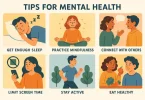
Combining multiple stress management techniques often produces the best results. For example, regular exercise, healthy nutrition, quality sleep, and mindfulness practices work together to create a stronger foundation for emotional well-being.
Remember that stress management is an ongoing process rather than a one-time solution. Continuous learning and self-awareness help individuals adapt to life’s challenges more effectively and maintain long-term balance.
Conclusion
Stress is a natural part of life, but it does not have to control your health, happiness, or success. Understanding the causes of stress and learning practical management techniques can significantly improve your overall quality of life. Whether stress comes from work, personal relationships, financial concerns, or daily responsibilities, developing healthy coping strategies helps you respond more effectively to challenges.
Effective stress management involves a combination of self-awareness, healthy habits, and consistent practice. Techniques such as deep breathing, exercise, time management, positive thinking, quality sleep, and social support can reduce the negative effects of stress while promoting emotional resilience and physical well-being.
Although managing stress requires effort and commitment, the rewards are substantial. Improved mental health, stronger relationships, better productivity, and enhanced overall wellness are just a few of the many benefits. By avoiding common mistakes and applying proven strategies, beginners can build a strong foundation for long-term stress management success.
Ultimately, stress management is a lifelong skill that empowers individuals to face challenges with confidence and maintain balance in an increasingly demanding world. With patience, persistence, and the right approach, anyone can create a calmer, healthier, and more fulfilling life.