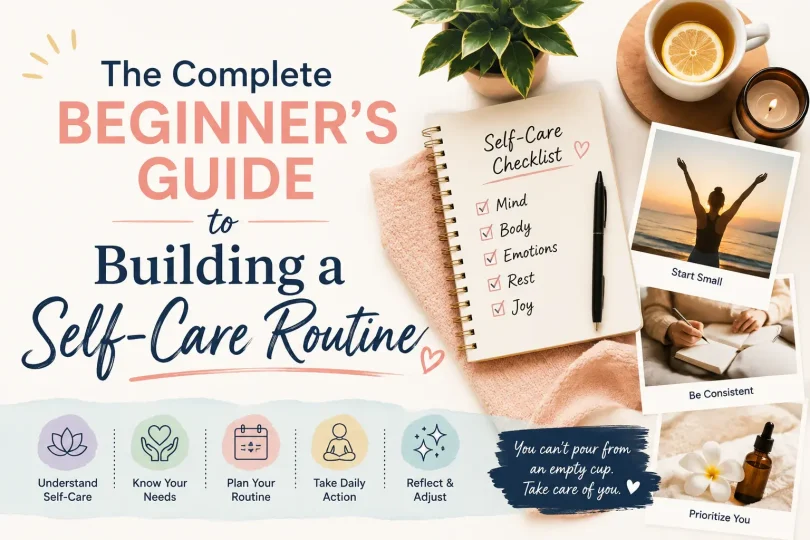

Introduction
In today’s fast-paced world, many people spend so much time caring for their responsibilities that they forget to care for themselves. Work, studies, family commitments, and social obligations often take priority, leaving little room for personal well-being. As a result, stress, fatigue, anxiety, and burnout have become common challenges for people of all ages.
Self care is not a luxury or something reserved for special occasions. It is an essential practice that helps maintain physical health, mental clarity, emotional balance, and overall happiness. Taking care of yourself allows you to function better in every area of life. When you feel healthy and energized, you are more productive, confident, and capable of handling daily challenges.
For beginners, self care does not need to be complicated or expensive. Small daily habits such as getting enough sleep, drinking water, exercising, and taking breaks can create a significant positive impact over time. The key is consistency rather than perfection. Even a few minutes dedicated to your well-being each day can improve your quality of life.
This comprehensive guide explores the most effective self care tips for beginners. You will learn what self care means, why it matters, practical steps to build a self care routine, common mistakes to avoid, benefits, risks, expert recommendations, and answers to frequently asked questions. By the end of this article, you will have a clear roadmap for developing a healthier and more balanced lifestyle.
What is Self Care?
Self care refers to the intentional actions and habits individuals practice to maintain and improve their physical, mental, emotional, and social well-being. It involves making choices that support overall health and help prevent stress, illness, and burnout. Self care can include activities such as exercising, eating nutritious foods, sleeping well, practicing mindfulness, and setting healthy boundaries.
The concept of self care extends beyond pampering activities or occasional relaxation. True self care focuses on creating sustainable habits that contribute to long-term wellness. It means recognizing your needs and taking proactive steps to address them. Self care helps you maintain balance, strengthen resilience, and improve your ability to cope with life’s challenges while supporting a happier and healthier life.
Why is Self Care Important?

Self care plays a crucial role in maintaining overall health and preventing physical and emotional exhaustion. Modern lifestyles often involve high levels of stress, long working hours, and constant exposure to information. Without proper self care, these pressures can negatively affect both physical and mental health. Prioritizing self care helps restore energy, improve focus, and strengthen emotional resilience.
Additionally, self care improves relationships, productivity, and personal growth. When you take care of yourself, you are better equipped to support others and perform effectively in daily responsibilities. Regular self care practices contribute to greater life satisfaction, increased confidence, and improved emotional stability. Investing in your well-being today creates a foundation for long-term success and happiness.
Detailed Step-by-Step Guide to Self Care
Step 1: Assess Your Current Well-Being
Before creating a self care routine, evaluate your current lifestyle. Consider your physical health, emotional state, stress levels, sleep quality, and daily habits. Identify areas where you feel overwhelmed, exhausted, or neglected.
Keeping a journal can help track your feelings and behaviors. Understanding your starting point allows you to create realistic goals and prioritize areas that need improvement.
Step 2: Prioritize Quality Sleep
Sleep is one of the most important components of self care. Adults generally need seven to nine hours of quality sleep each night. Poor sleep can affect mood, concentration, immunity, and overall health.
Create a bedtime routine by maintaining a consistent sleep schedule, reducing screen time before bed, and creating a comfortable sleep environment. Good sleep supports physical recovery and mental well-being.
Step 3: Stay Hydrated
Water is essential for nearly every bodily function. Dehydration can lead to fatigue, headaches, poor concentration, and reduced physical performance.
Carry a reusable water bottle and make hydration a daily habit. Drinking enough water throughout the day helps maintain energy levels and supports overall health.
Step 4: Eat Nutritious Foods
A balanced diet provides the nutrients your body needs to function effectively. Include fruits, vegetables, lean proteins, whole grains, and healthy fats in your meals.
Avoid excessive consumption of processed foods, sugary drinks, and unhealthy snacks. Nutritious eating supports physical health, mood regulation, and sustained energy.
Step 5: Engage in Regular Physical Activity
Exercise benefits both physical and mental health. It improves cardiovascular fitness, strengthens muscles, boosts mood, and reduces stress.
You do not need intense workouts to experience benefits. Walking, cycling, stretching, yoga, or dancing for at least 30 minutes most days can significantly improve well-being.
Step 6: Practice Mindfulness
Mindfulness involves focusing on the present moment without judgment. It helps reduce stress, improve concentration, and enhance emotional awareness.
Simple mindfulness techniques include deep breathing exercises, meditation, mindful walking, and gratitude practices. Even a few minutes daily can make a noticeable difference.
Step 7: Set Healthy Boundaries
Many people experience stress because they struggle to say no or overcommit themselves. Healthy boundaries protect your time, energy, and emotional well-being.
Learn to communicate your needs respectfully and avoid taking on more responsibilities than you can manage. Boundaries support healthier relationships and prevent burnout.
Step 8: Take Regular Breaks
Continuous work without breaks can reduce productivity and increase stress. Taking short breaks throughout the day helps refresh the mind and maintain focus.
Use breaks to stretch, walk, breathe deeply, or simply relax. Small moments of rest can improve overall performance and mental clarity.
Step 9: Build Positive Relationships
Strong social connections contribute significantly to emotional well-being. Spending time with supportive friends, family members, and loved ones can reduce stress and increase happiness.
Make an effort to maintain meaningful relationships and communicate openly. Positive social interactions provide emotional support and a sense of belonging.
Step 10: Make Time for Activities You Enjoy
Hobbies and enjoyable activities play an important role in self care. Whether it is reading, painting, gardening, cooking, or listening to music, engaging in enjoyable activities helps reduce stress and improve mood.
Schedule time regularly for activities that bring joy and relaxation. These moments contribute to a more balanced and fulfilling life.
Step 11: Manage Stress Effectively
Stress is a natural part of life, but chronic stress can negatively impact health. Learning healthy stress management techniques is essential for self care.
Methods such as exercise, meditation, journaling, deep breathing, and spending time in nature can help manage stress levels and improve resilience.
Step 12: Seek Professional Support When Needed
Sometimes self care involves asking for help. If you experience persistent stress, anxiety, depression, or other challenges, seeking professional support can be beneficial.
Therapists, counselors, coaches, and healthcare providers can offer guidance, strategies, and support tailored to your needs.
Benefits of Self Care
Self care offers numerous benefits that enhance overall quality of life:
- Improves physical health
- Boosts immune system function
- Increases energy levels
- Enhances mental clarity and focus
- Reduces stress and anxiety
- Supports emotional balance
- Improves sleep quality
- Strengthens relationships
- Increases self-confidence
- Prevents burnout
- Encourages personal growth
- Improves productivity
- Promotes healthier habits
- Enhances resilience during difficult times
- Contributes to greater happiness and life satisfaction
Disadvantages / Risks
While self care is generally beneficial, certain misunderstandings or approaches can create challenges:
- Spending excessive money on unnecessary self care products
- Using self care as a way to avoid responsibilities
- Becoming overly focused on perfection
- Following unrealistic wellness trends
- Neglecting professional help when needed
- Comparing your self care journey to others
- Feeling guilty when unable to maintain routines
- Prioritizing temporary comfort over long-term well-being
Common Mistakes to Avoid
One common mistake is believing that self care requires a large amount of time or money. Many effective self care practices, such as sleeping well, exercising, and staying hydrated, are simple and affordable. Waiting for the perfect moment to start often leads to unnecessary delays.
Another mistake is trying to change everything at once. Creating too many habits simultaneously can become overwhelming and difficult to maintain. Focus on one or two improvements at a time and gradually build your routine. Consistency is more important than intensity.
Ignoring emotional needs is another frequent error. Many people focus only on physical health while neglecting stress management, emotional well-being, and meaningful relationships. Effective self care addresses all aspects of wellness.
Comparing your self care practices to those of others can also be harmful. Everyone has different needs, schedules, and circumstances. Create a routine that works for your unique lifestyle rather than following trends or social media expectations.
FAQs
1. What are the most important self care habits for beginners?
The most important habits include getting enough sleep, eating nutritious foods, staying hydrated, exercising regularly, managing stress, and maintaining healthy relationships. These foundational practices support overall well-being.
2. How much time should I spend on self care each day?
Self care does not require hours of your time. Even 15 to 30 minutes daily can make a positive difference. The focus should be on consistency and choosing activities that genuinely support your well-being.
3. Is self care selfish?
No, self care is not selfish. Taking care of yourself enables you to function effectively and support others more successfully. Neglecting your own needs can lead to stress, burnout, and reduced ability to help those around you.
4. Can self care improve mental health?
Yes, self care can significantly improve mental health. Practices such as mindfulness, exercise, quality sleep, and stress management help reduce anxiety, improve mood, and enhance emotional resilience.
5. What if I have a busy schedule?
Even with a busy schedule, small self care actions can be effective. Taking short walks, drinking enough water, practicing deep breathing, and maintaining a healthy sleep routine can fit into most lifestyles.
6. How do I stay consistent with self care?
Start with realistic goals and build habits gradually. Schedule self care activities, track your progress, and focus on creating routines that are practical and enjoyable. Consistency becomes easier when habits fit naturally into daily life.
7. Can self care prevent burnout?
Yes, regular self care helps reduce stress, maintain energy levels, and improve emotional well-being, all of which lower the risk of burnout. Taking breaks and setting boundaries are especially important.
8. Is exercise necessary for self care?
Exercise is a valuable component of self care because it supports both physical and mental health. However, self care involves many practices, and physical activity can be adapted to individual abilities and preferences.
Expert Tips & Bonus Points
Begin with small, manageable habits rather than attempting a complete lifestyle overhaul. Sustainable changes are more effective than dramatic short-term efforts.
Create a dedicated self care schedule and treat it as an important appointment. Consistency strengthens habits and increases long-term success.
Keep a gratitude journal to focus on positive experiences and achievements. This simple practice can improve emotional well-being and promote a more optimistic mindset.
Limit excessive screen time and social media consumption. Reducing digital distractions can improve mental clarity, productivity, and emotional health.
Spend time outdoors whenever possible. Exposure to nature can reduce stress, improve mood, and support overall wellness.
Regularly evaluate your self care routine and adjust it as your needs change. Effective self care evolves with different stages of life and personal circumstances.
Celebrate progress rather than striving for perfection. Recognizing small achievements helps maintain motivation and encourages long-term commitment.
Conclusion
Self care is one of the most valuable investments you can make in your overall well-being. It is not about luxury treatments or complicated routines but rather about consistently meeting your physical, emotional, mental, and social needs. Through simple daily habits such as sleeping well, eating nutritious foods, exercising regularly, staying hydrated, and managing stress, anyone can experience meaningful improvements in quality of life.
For beginners, the key to successful self care is starting small and remaining consistent. You do not need to transform your entire lifestyle overnight. Instead, focus on creating sustainable habits that fit naturally into your daily routine. Over time, these small actions accumulate and produce significant positive results.
Self care supports better health, stronger relationships, increased productivity, and greater happiness. It helps build resilience during challenging times and provides the energy needed to pursue personal and professional goals. While challenges and setbacks may occur, maintaining a commitment to your well-being remains essential.
By making self care a regular part of your life, you create a stronger foundation for long-term success, balance, and fulfillment. Prioritize yourself, practice healthy habits consistently, and remember that caring for yourself is not an indulgence—it is a necessity for living a healthier, happier, and more meaningful life.