
Introduction
Makeup is one of the most popular ways to enhance natural beauty, boost confidence, and express personal style. Whether you want a simple everyday look or a glamorous appearance for a special event, learning the basics of makeup can help you achieve your desired results with ease. For beginners, the world of makeup may seem overwhelming because of the wide variety of products, tools, and techniques available today. However, with the right guidance and practice, anyone can learn how to apply makeup effectively.
Understanding makeup is not just about covering imperfections. It is about highlighting your best features, creating balance, and enhancing your overall appearance. Modern makeup techniques focus on achieving healthy, natural-looking skin while adding subtle or dramatic touches depending on personal preferences. The key to success lies in choosing the right products for your skin type, learning proper application methods, and maintaining a good skincare routine.
This comprehensive guide covers everything beginners need to know about makeup tips. From understanding the basics and selecting the right products to mastering application techniques and avoiding common mistakes, this article provides detailed information to help you build confidence in your makeup skills and achieve beautiful results every time.
What is Makeup?
Makeup refers to cosmetic products applied to the face and body to enhance appearance, highlight features, conceal imperfections, and create different looks. Common makeup products include foundation, concealer, powder, blush, eyeshadow, eyeliner, mascara, lipstick, and setting spray. These products work together to improve skin appearance and emphasize facial features.
Makeup has been used for centuries across different cultures and civilizations. Today, it serves multiple purposes ranging from everyday beauty enhancement to artistic expression. Whether used minimally or creatively, makeup allows individuals to customize their appearance according to personal preferences, occasions, and fashion trends.
Why is Makeup Important?
Makeup plays an important role in enhancing self-confidence and helping individuals feel more comfortable with their appearance. A well-applied makeup look can brighten the complexion, create a polished appearance, and highlight unique facial features. Many people use makeup as part of their daily grooming routine because it helps them feel prepared and confident throughout the day.
Beyond aesthetics, makeup can also be a form of self-expression. Different colors, styles, and techniques allow individuals to showcase their creativity and personality. Whether aiming for a natural daytime appearance or a bold evening look, makeup provides countless opportunities to experiment and develop personal style while improving overall presentation.
Detailed Step-by-Step Guide
Step 1: Start with Clean Skin
The foundation of great makeup begins with clean skin. Wash your face using a gentle cleanser suitable for your skin type. This removes dirt, oil, and impurities that can affect makeup application.
After cleansing, apply a moisturizer to hydrate your skin. Well-moisturized skin helps makeup blend smoothly and last longer throughout the day.
Step 2: Apply Primer
Primer creates a smooth base for makeup application. It helps minimize the appearance of pores, controls excess oil, and improves makeup longevity.
Choose a primer that matches your skin concerns. Hydrating primers work best for dry skin, while mattifying primers are ideal for oily skin types.
Step 3: Apply Foundation
Foundation helps create an even skin tone and smooth complexion. Select a shade that closely matches your natural skin color for the most natural appearance.
Apply foundation using a brush, sponge, or fingertips. Blend thoroughly into the skin, paying attention to the jawline and neck to avoid visible makeup lines.
Step 4: Use Concealer
Concealer is designed to cover dark circles, blemishes, redness, and other imperfections. Choose a concealer slightly lighter than your foundation for under-eye areas.
Apply small amounts and blend gently using a sponge or brush. Avoid using too much product, as excessive concealer can appear cakey.
Step 5: Set with Powder
Setting powder helps lock foundation and concealer in place while reducing unwanted shine. It is especially beneficial for oily skin.
Apply a light layer using a fluffy brush. Focus on areas prone to oil production, such as the forehead, nose, and chin.
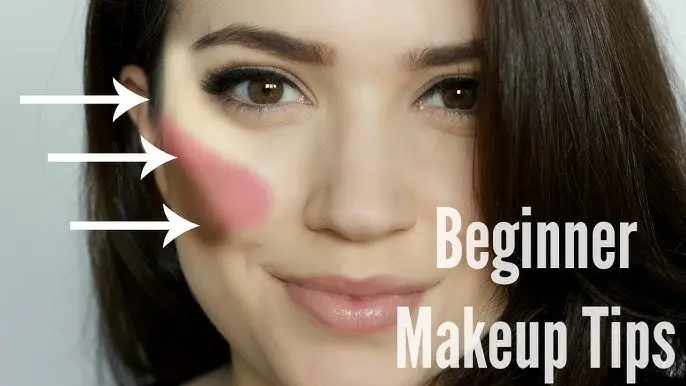
Step 6: Add Color with Blush
Blush adds warmth and dimension to the face. It creates a healthy, youthful appearance when applied correctly.
Smile gently and apply blush to the apples of your cheeks. Blend upward toward the temples for a natural finish.
Step 7: Define Your Brows
Well-groomed eyebrows frame the face and enhance overall appearance. Use a brow pencil, powder, or gel to fill sparse areas.
Follow your natural brow shape rather than creating an artificial design. Soft, natural-looking brows are often the most flattering.
Step 8: Apply Eyeshadow
Eyeshadow adds depth and dimension to the eyes. Beginners should start with neutral shades such as beige, brown, and taupe.
Apply a lighter shade across the eyelid and a slightly darker shade in the crease. Blend thoroughly to avoid harsh lines.
Step 9: Use Eyeliner
Eyeliner helps define the eyes and create different makeup styles. Pencil eyeliners are often easiest for beginners to control.
Apply a thin line close to the upper lash line. Start with small strokes and gradually build intensity if desired.
Step 10: Apply Mascara
Mascara enhances eyelashes by adding length, volume, and definition. It instantly makes eyes appear larger and more awake.
Wiggle the mascara wand at the base of your lashes and sweep upward. Apply one or two coats for a natural yet noticeable effect.
Step 11: Add Highlighter
Highlighter reflects light and creates a radiant glow. It is typically applied to areas where light naturally hits the face.
Apply small amounts to the cheekbones, brow bones, nose bridge, and cupid’s bow for a subtle luminous finish.
Step 12: Finish with Lip Products
Lipstick, lip gloss, or tinted balm completes your makeup look. Choose colors that complement your skin tone and occasion.
For beginners, nude, pink, and soft peach shades are versatile options suitable for daily wear.
Step 13: Use Setting Spray
Setting spray helps keep makeup fresh throughout the day. It reduces powdery appearance and improves overall longevity.
Hold the bottle several inches away from your face and spray lightly in an X and T motion.
Benefits of Makeup Tips
Following proper makeup tips offers several advantages:
- Enhances natural beauty
- Boosts self-confidence
- Creates a polished appearance
- Helps conceal imperfections
- Improves facial feature definition
- Allows creative self-expression
- Provides professional-looking results
- Helps makeup last longer
- Prevents product wastage
- Improves overall makeup skills
- Encourages better skincare habits
- Makes product selection easier
- Helps achieve balanced makeup looks
- Reduces application errors
- Supports healthy makeup practices
Disadvantages / Risks
While makeup can be beneficial, there are potential risks when products are used improperly:
- Skin irritation from unsuitable products
- Allergic reactions to ingredients
- Clogged pores and acne breakouts
- Premature aging from poor makeup removal
- Bacterial infections from dirty tools
- Dryness caused by excessive product use
- Uneven appearance due to incorrect shade selection
- Increased skin sensitivity
- Product buildup on the skin
- Financial costs associated with makeup purchases
- Dependence on makeup for confidence
- Damage from expired cosmetics
Common Mistakes to Avoid
One of the most common mistakes beginners make is choosing the wrong foundation shade. Always test foundation in natural lighting and match it to your neck and jawline. A mismatched foundation can make the face appear unnatural and uneven.
Applying too much product is another frequent issue. Heavy layers of foundation, concealer, or powder can create a cakey appearance. Building coverage gradually often produces better results.
Skipping skincare before makeup application can also affect the final look. Clean, hydrated skin provides the best base for makeup. Neglecting skincare may cause patchiness, dryness, or excess oil throughout the day.
Failing to blend products properly is another major mistake. Harsh lines around foundation, blush, eyeshadow, or contour can make makeup appear obvious rather than natural. Blending is essential for a seamless finish.
Using old or expired cosmetics can lead to irritation and bacterial growth. Regularly check expiration dates and replace products when necessary to maintain skin health and product performance.
Finally, sleeping with makeup on can clog pores and contribute to skin problems. Always remove makeup thoroughly before bedtime using a suitable cleanser or makeup remover.
FAQs
1. What makeup products should beginners start with?
Beginners should start with basic products including moisturizer, primer, foundation, concealer, powder, blush, mascara, and a lip product. These essentials allow you to create a complete everyday look without feeling overwhelmed.
2. How do I choose the right foundation shade?
Test foundation along your jawline in natural daylight. The correct shade should blend seamlessly into your skin without appearing lighter or darker than your natural complexion.
3. Is primer necessary before makeup?
Primer is not mandatory, but it significantly improves makeup application and longevity. It creates a smoother surface and helps products stay in place throughout the day.
4. How often should I clean makeup brushes?
Ideally, makeup brushes should be cleaned weekly. Regular cleaning removes bacteria, oil, and product buildup while improving makeup application quality.
5. Can makeup cause acne?
Certain products may contribute to breakouts if they clog pores or are not removed properly. Choosing non-comedogenic products and maintaining a good cleansing routine can help reduce this risk.
6. What is the best makeup look for beginners?
A natural makeup look is often best for beginners. Focus on even skin tone, lightly defined brows, mascara, soft blush, and a neutral lip color to develop confidence and technique.
7. How long does makeup usually last?
Most makeup lasts between six and twelve hours depending on the products used, skin type, weather conditions, and whether setting products are applied.
8. Should makeup be removed every night?
Yes, makeup should always be removed before sleeping. Proper removal helps prevent clogged pores, breakouts, irritation, and premature skin aging.
Expert Tips & Bonus Points
Always invest in quality skincare because beautiful makeup starts with healthy skin. Cleansing, moisturizing, and sunscreen application should remain part of your daily routine.
Use natural lighting whenever possible during makeup application. It helps ensure accurate color matching and prevents uneven blending.
Choose products based on your skin type rather than trends. Oily, dry, combination, and sensitive skin all have different needs that affect product performance.
Practice one technique at a time. Mastering foundation, concealer, or eyeliner separately can make the learning process easier and less stressful.
Less product often produces better results. Build coverage gradually instead of applying heavy layers immediately.
Keep makeup tools clean and organized. Proper hygiene helps protect your skin and improves overall application quality.
Always remove makeup before bedtime and follow with moisturizer to support healthy, balanced skin.
Experiment with colors and techniques once you feel comfortable with the basics. Makeup is a creative skill that improves through practice and experience.
Conclusion
Learning makeup can be an exciting and rewarding journey for beginners. While the wide variety of products and techniques may initially seem complicated, understanding the fundamentals makes the process much easier and more enjoyable. By focusing on proper skincare, selecting suitable products, and practicing essential application techniques, anyone can create beautiful and natural-looking makeup results.
Successful makeup application is not about perfection. It is about enhancing your natural features, expressing your personality, and feeling confident in your appearance. Starting with simple techniques and gradually building your skills allows you to gain experience without becoming overwhelmed. Consistent practice helps improve blending, product selection, and overall makeup confidence over time.
Following expert makeup tips, avoiding common mistakes, and maintaining healthy skincare habits can significantly improve both the appearance and longevity of your makeup. Remember that every individual has unique features and preferences, so experimentation is an important part of discovering what works best for you.
Whether you prefer a minimal everyday look or enjoy creating more glamorous styles, makeup offers endless opportunities for creativity and self-expression. With patience, knowledge, and the right techniques, beginners can develop strong makeup skills and enjoy achieving polished, professional-looking results every day.